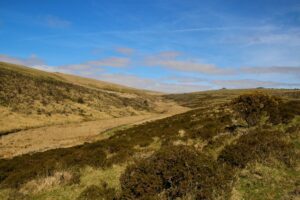

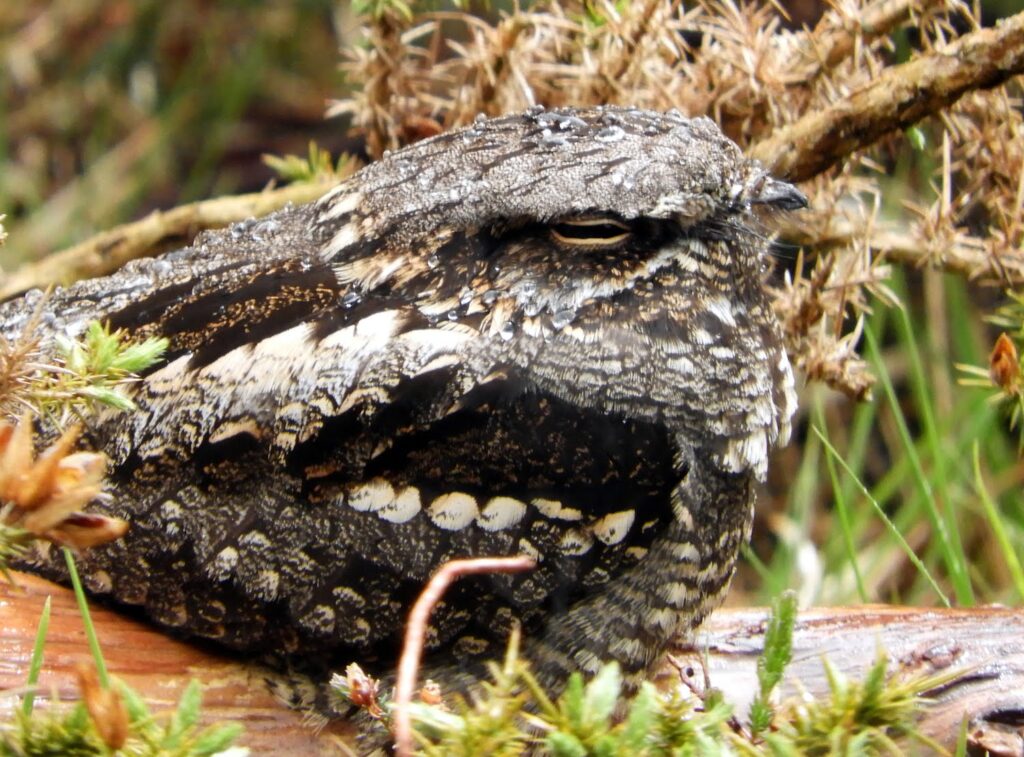
Devon’s invertebrate-rich tussocky heaths, moors, rough grasslands, bogs and mires provide food, shelter and nesting sites for a wide range of birds. However, due to land use change, habitat loss and a decline in its condition, many of the birds that use these habitats are now threatened and in Devon many are largely found in our uplands.
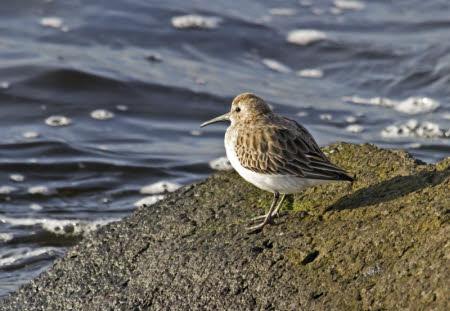
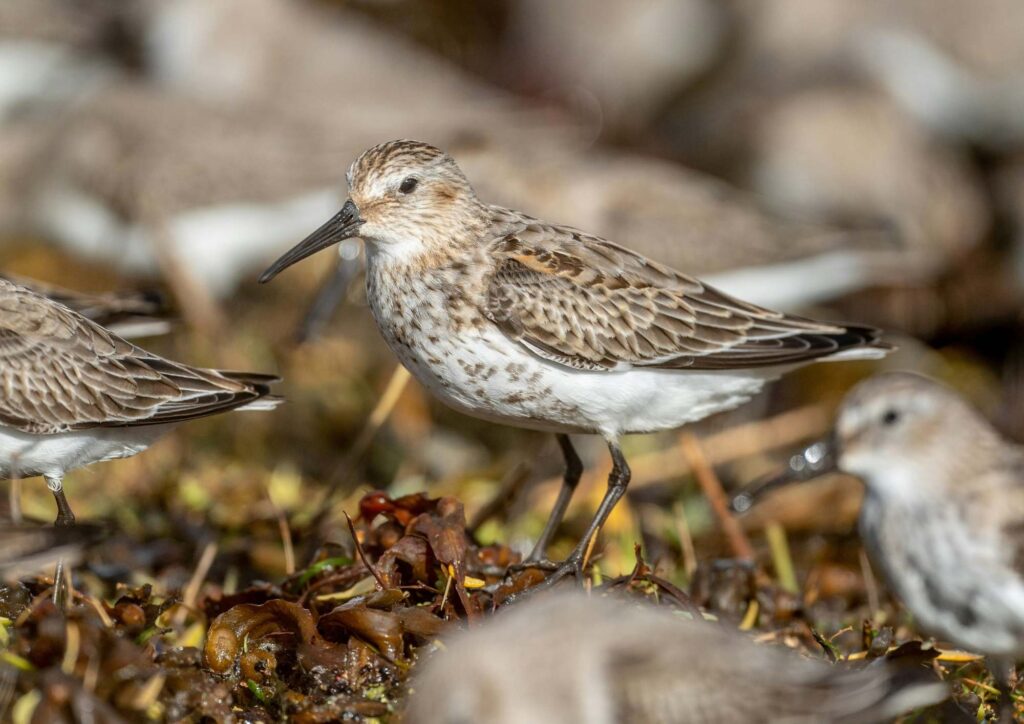
Whilst Golden Plover no longer breed on Dartmoor’s blanket bogs there is a small breeding population of Dunlin. Golden Plover may return if large areas of suitable habitat are restored.
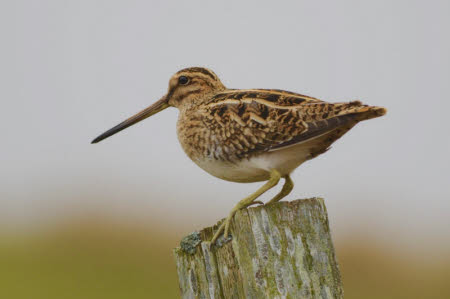
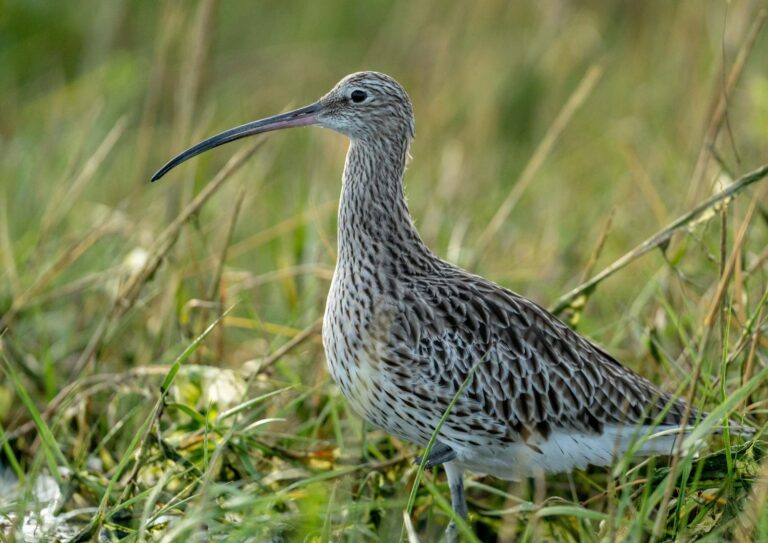
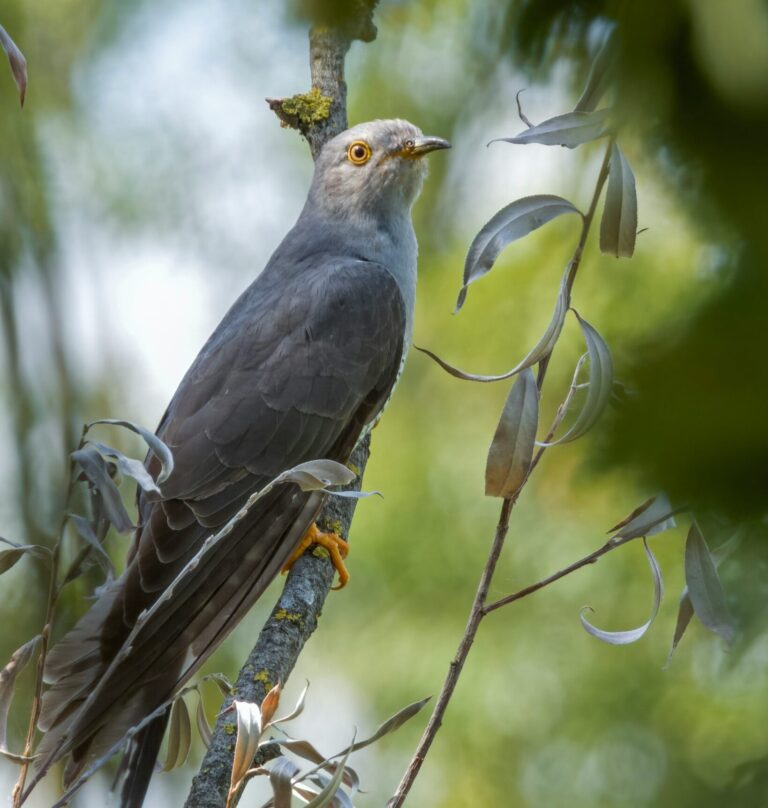
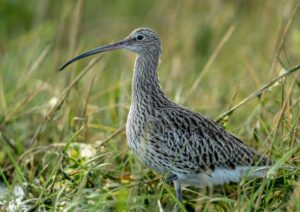
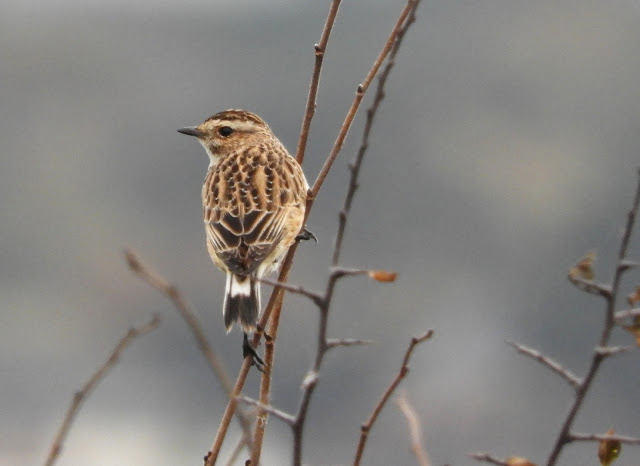
Species, such as Curlew, Cuckoo, Snipe and Whinchat once bred across Devon but are now mainly found on Dartmoor and Exmoor. Due to land use change and numbers of predators it is very unlikely that Curlew will ever be able to breed in Devon other than in the uplands. Curlew require large, open landscapes with minimal trees and scrub. Whilst they were widespread across north Devon in the 1980s the landscape is now more wooded with remaining open areas being largely intensive pasture (silage and heavily grazed). Whilst there is potential for Cuckoo and Whinchat to breed across the county again the areas with greatest potential for these species are the areas of open moorland and surrounding land on Dartmoor and Exmoor.
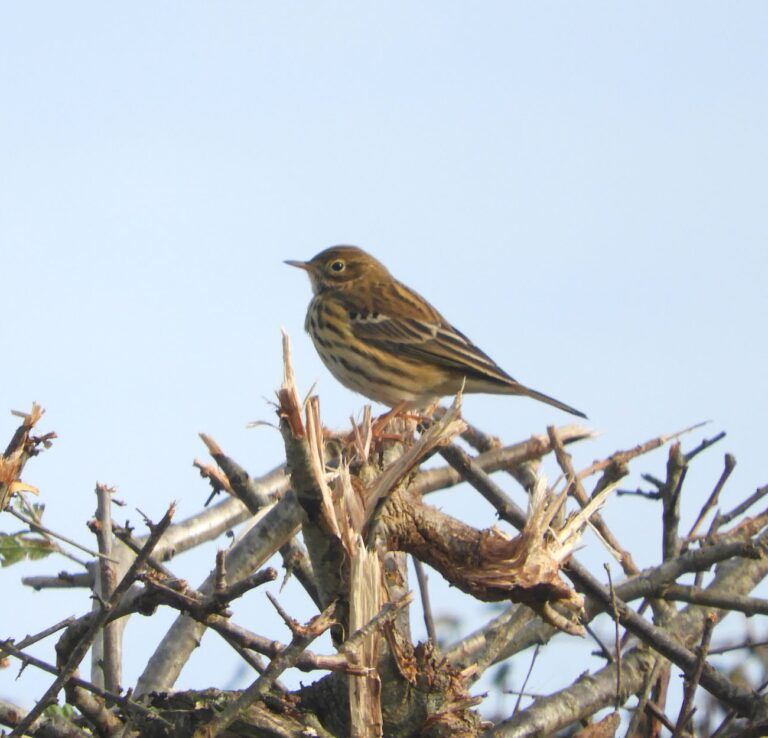
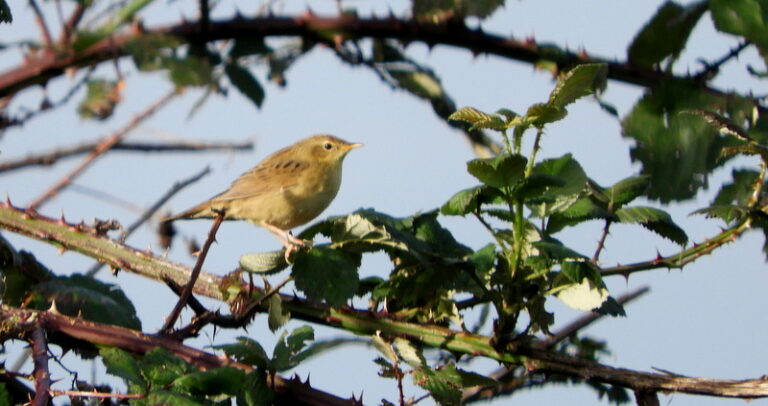
The other species discussed below remain more widespread on Devon’s insect rich heaths, moors and rough grasslands, including our coasts. However they all remain threatened or vulnerable to further declines. Species such as Grasshopper Warbler and Meadow Pipit have declined in our lowland areas and are now more common in the uplands.
Both Lapwing and Ring Ouzel are likely to be lost as breeding species on Dartmoor in the next few years despite suitable habitat remaining. Red-backed Shrike is a very rare breeder on Dartmoor in some years, despite there being thought to be enough suitable habitat. Merlin haven’t bred on Dartmoor since the late 1960s and may no longer breed on Exmoor. Issues relating to Lapwing and Merlin successfully breeding on Dartmoor include predator and recreational pressure.
Skylark, Linnet and Yellowhammer are Devon Special SpeciesDevon Species of Conservation Concern which have been 'shortlisted' as needing particular action or attention. that will benefit from the actions listed below. See the Lowland farmland birds group.