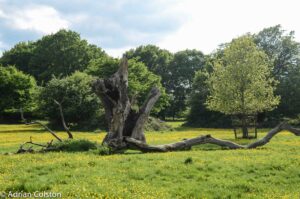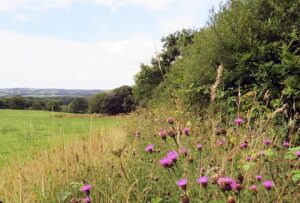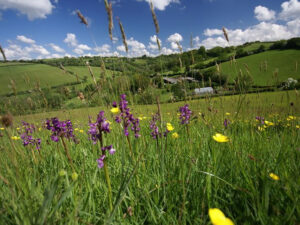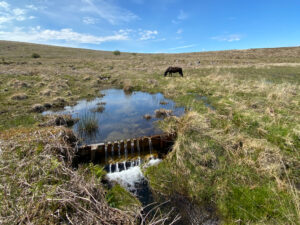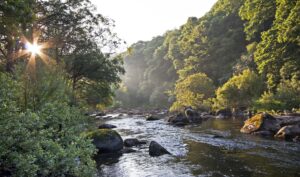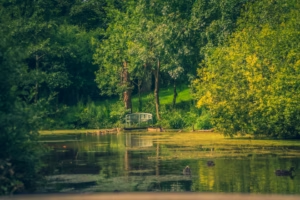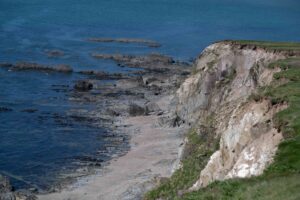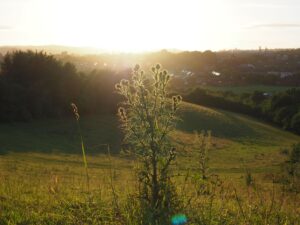


The Devon LNRS identifies which habitats most need to be a focus for action in the county, including UK Priority Habitats. Each habitat page includes a description, a priority (what we want to achieve), actions (how to achieve the priority), case studies and links to more information.
One priority has been written for each habitat. The wording for each priority is largely the same and based on the principles of:
- Better: The main priority is for all existing habitats to be wildlife rich.
- Bigger: Where possible, existing habitats need to be bigger. Sometimes this will be through creating more of the same habitat, such as creating larger woodlands. Sometimes creating a different habitat will be more beneficial, such as restoring a species-rich grassland next to a woodland to provide insects and seeds for bats and birds.
- More and connected: We need more wildlife-rich habitats across our landscapes, and we need them to connect so they act as stepping stones and corridors for wildlife.
- Devon Special Species: Many of these species have very specific needs that may not be met through general management of habitats. For example, rare moths and butterflies need specific foodplants and bats need a mosaic of dark, connected habitats for roosting and feeding.
- Wider benefits. We need to manage and create habitats to help reduce flooding, improve water quality, store more carbon and connect people with nature.
For more information on UK Priority Habitats see UK BAP Priority Habitats | Advisor to Government on Nature Conservation | JNCC