
Skip to content

Lakes and ponds

Digging a pond is one of the best things we can do for wildlife.

Species such as the Southern Hawker Dragonfly will quickly find a new pond.

Common, Palmate and Great Crested newts (the UK’s largest) all live in our ponds.

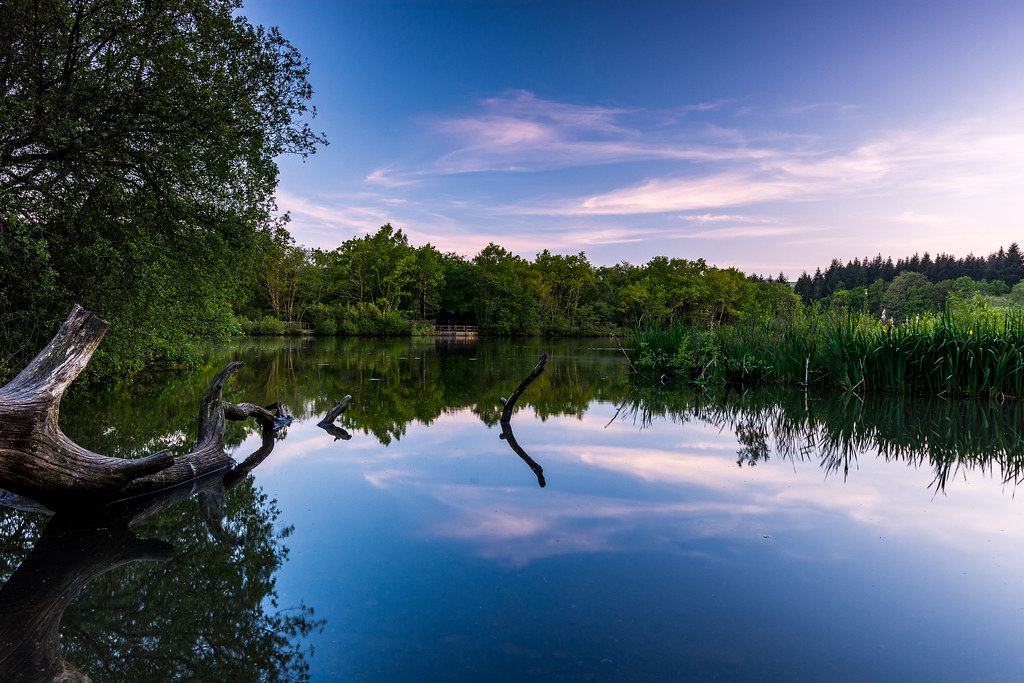
Photo shows expansive still water reflecting a blue sky with pink clouds. There are reedbeds to the right of the water and mature trees in the background and to the left, as well as a large dead tree trunk coming out of the water in the left and centre.

Stover Lake, Ian Tomlinson

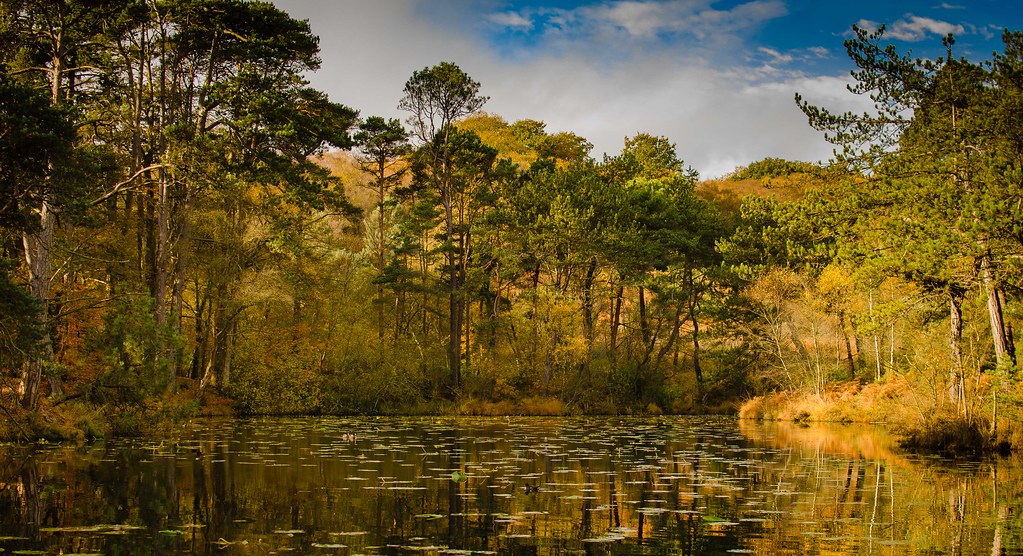
A small lake surrounded by trees reflects the various autumn colours present throughout the landscape, as well as sporting lilypads.

Bystock Pools, Richard White

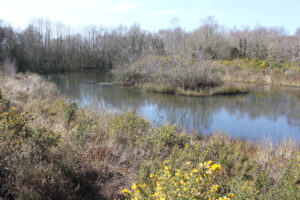
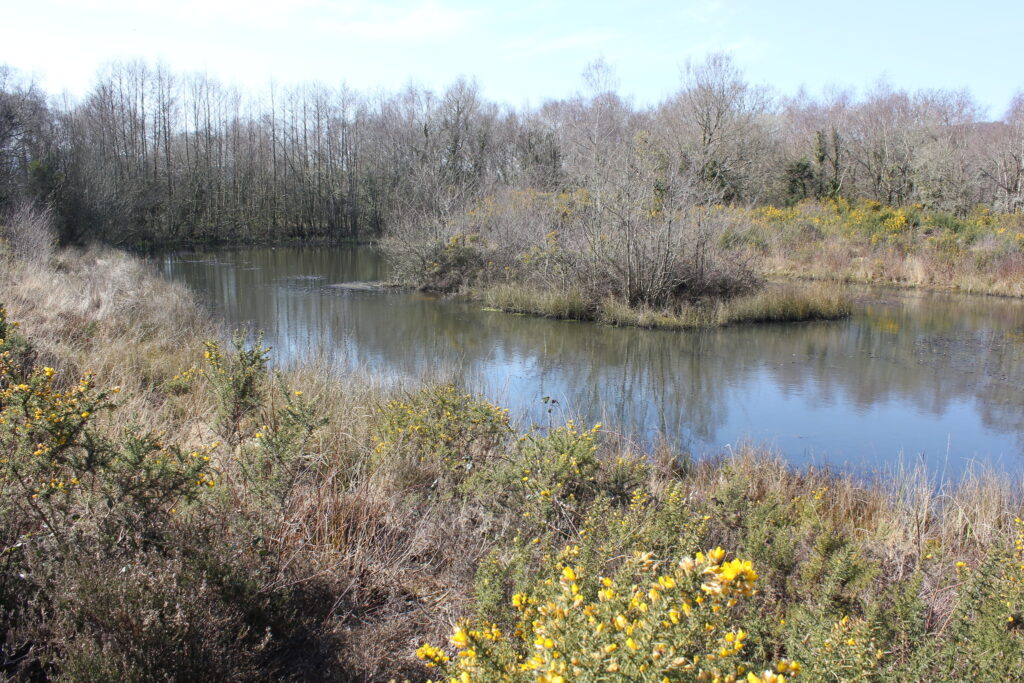
A very large pond with an island in the middle is pictured surrounded by shrubs, gorse and winter trees.

Little Bradley Ponds Nature Reserve, Richard Slack

Snapshot

What wildlife-rich looks like

A wide range of lakes and ponds of different sizes and depths, all with unpolluted water. Some dry out in the summer. Plants grow in the water, helping to oxygenate it, and on the banks, providing cover and stems for dragonfly nymphs to climb up. Shallow areas allow wildlife to climb in and out. Around the edges and between ponds and lakes, areas of plants, scrub and rocks allow wildlife to disperse.
Devon Special Species include:

Mammals: Beaver, Water Vole, Otter  

Insects: Norfolk Hawker Dragonfly, Scarce Blue-tailed Damselfly, Scarce Chaser Dragonfly

Amphibians: Common Toad, Great Crested Newt 

Plants: Strapwort

Ponds and lakes also provide food and water for lots of other Devon Special Species, including bats and birds.

UK significance

UK Priority Habitat: No (none of Devon’s lakes are UK Priority Habitats).

Statutory irreplaceable habitats: No

Wider benefits: Water for livestock, flood control, carbon storage, recreation and tourism, landscape.  

1. About

Lakes and ponds include natural and man-made standing waters, from large lakes and reservoirs to village ponds, garden ponds, dew ponds and bog pools. 

Ponds can be created in lots of different ways including by meandering rivers, eroding glaciers or by a tree falling over and leaving its root pit exposed. They can also be manmade, in gardens and village greens, or by landowners for fishing, shooting, watering livestock, aesthetic or amenity purposes. They come in all shapes and sizes, with different water depths from small dips in the ground with a few centimetres of water to deep pools. Ponds can also be short-lived, being created and filled in over a cycle of a few years, or they can be very stable; bog pools do not change much over thousands of years. 

Reservoirs and large lakes are important for wintering wildfowl and for breeding wildfowl and waders. Ponds and small lakes provide important breeding and feeding sites for amphibians and reptiles, such as frogs, toads, newts and Grass Snakes, and for invertebrates such as damselflies, dragonflies and water beetles. Invertebrates are an important food source for bats and birds, especially during prolonged dry weather conditions in late spring and summer.   

Some large lakes in Devon are designated as SSSIs. These include Slapton Ley (where the Devon Special Species Strapwort is found), Stover Lake, Bystock Pools on the Pebblebed Heaths and Roadford Lake.

Ponds are often created through quarrying. The Bovey Basin and Lee Moor are all strongholds for ponds, with populations of dragonflies and Great Crested Newts happily living in what would appear to be totally unsuitable ponds in the Bovey Basin clay quarries.

Lakes and ponds also have great socio-economic value. They store organic carbon in sediments, temporarily store water to help in natural flood management and provide recreation, tourism and wellbeing benefits. Many are also of historic and cultural significance.  

Health warning on the data used below: Due to the size of Devon, and lack of funding for monitoring, some SSSIs and CWSs have not been monitored for more than 10 years and their condition may have changed. See Natural England’s Designated Sites view for details on individual sites.

See the Devon LNRS Targets and monitoring page for more details including SSSI and CWS monitoring. See the Viewer for a map showing SSSI condition (Other Useful Layers> SSSI Condition Assessments).

Standing open waters and canals

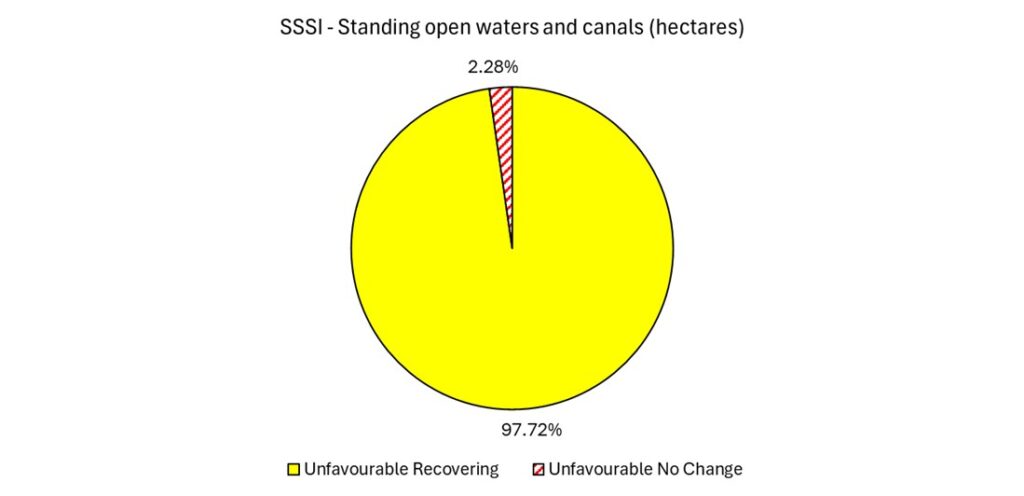
SSSIs: 200 hectares. None are assessed as being in favourable condition. SSSIs designated in whole or part for standing open water include Stover Park, Slapton Ley and Lydford Railway Ponds (designated for Scarce Blue-tailed and Small Red damselflies).

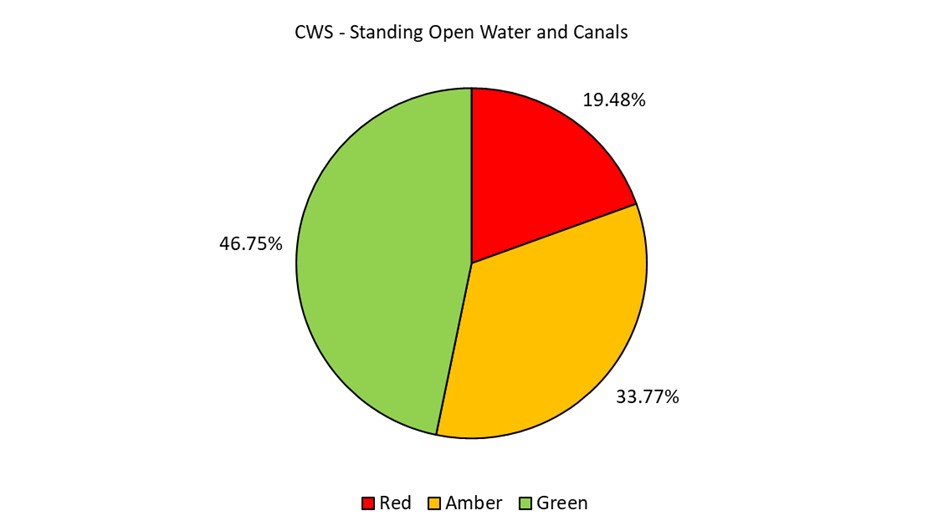
CWSs: 117 sites include standing open water, which together cover 493 hectares. 60 have been monitored between 2006 and 2024 with 47% assessed as green.

Key pressures and opportunities

Organic and inorganic fertilisers and nitrogen-rich gases cause nutrient enrichment (cultural eutrophication), which damages plants and animals and leads to a loss of biodiversity.

Changes in land cover can increase siltation and release more nutrients into the water body, making eutrophication worse. Removing waterside vegetation and reedswamp is damaging as they act as barriers to particulates and absorb nutrients.

The American Signal Crayfish (Pacifastacus leniusculus) eats large amounts of aquatic vegetation, disrupting the ecological balance of some water bodies. It has also spread crayfish plague, eliminating many populations of our native crayfish. Alpine Newts (Ichthyosaura alpestris) are also of high concern as they’re known carriers of the chytrid fungus Batrachochytrium dendrobatidis (Bd), which affects amphibians. New Zealand Pigmyweed (Crassula helmsii), Floating Pennywort (Hydrocotyle ranunculoides) and Parrot’s Feather (Myriophyllum aquaticum) are of particular concern as they spread very quickly and crowd out other plants. 

Infilling of farm ponds and the end of the traditional use of dew ponds have reduced the number of ponds in the countryside. This means the remaining ponds are more isolated, which makes them harder for less-mobile species to colonise. Siltation has also caused the loss of many ponds.  

Abstraction for drinking water, irrigation or industry can keep water levels down, increase how long water is retained and reduce flushing rate. It can also worsen nutrient enrichment, cause marginal vegetation to deteriorate and shallow lakes to dry out. On coastal sites this can increase salinity.

Open water with artificial banks, small areas of reedbed and other marginal vegetation can all be thought to lack any substantial biodiversity value, particularly because the wildlife that lives there is often elusive. This often leads to water bodies being seen as a place to dump rubbish.

Recreational and sporting use can disturb wildlife. Marginal vegetation can be trampled and boat hulls and propellers can destroy aquatic plants and stir up sediments, contributing to enrichment and encouraging the growth of algae. The construction of marinas and other leisure facilities can destroy valuable habitat and increase pollution.

Introducing fish or removing predators leads to the loss of natural fish populations and affects plants and invertebrates. Heavy stocking of bottom-feeding fish such as carp (Cyprinus carpio) can cause turbidity and accelerate the release of nutrients from sediments. This has caused major enrichment problems in some eutrophic water bodies.

The reintroduction of beavers will create more ponds, so could be an opportunity for all species that depend on ponds. 

Many lakes and ponds are historic landscape features that can be archaeological sites or associated with historic gardens and parkland. Others are the result of historical industry such as clay, marl and gravel extraction. Stover Lake is an example of both, a former clay working turned into an ornamental parkland feature.

2. What we need to do and where

Priority

Better (wildlife-rich) and more clusters of lakes and ponds that are connected to a network of habitats across the county, benefiting Devon Special Species and achieving wider benefits such as carbon capture, water resilience and health and wellbeing. 

See Find out more below for links to detailed guidance and sources of advice.

Actions for all lakes and ponds

Manage and create lakes, ponds and their surroundings for wildlife

  • De-silt ponds when needed and manage vegetation to ensure there is always some open water. Remove vegetation sensitively to avoid impacts on invertebrates.
  • Reduce pollution (agricultural run-off, sewage, pesticides).
  • Control and where possible eradicate invasive species such as New Zealand Pigmyweed, Floating Pennywort and Parrot’s Feather. 
  • Avoid stocking fish in smaller ponds. In lakes, stock and manage fish sensitively fish to avoid predation, turbidity and nutrient release. 
  • Create new lakes and ponds wherever possible, following best practice guidance on factors such as depths and location. 

Survey, research and awareness 

  • Survey, map and monitor lake and pond condition (including e-DNA monitoring for Great Crested Newts). 
  • Increase awareness of the importance of ponds and how to manage them, including biosecurity measures.

Other relevant actions

More detailed actions for Devon Special Species, invasive non-native species and wider benefits are on other LNRS pages. Follow the links below:

Where to focus action

High Opportunity Areas: Lakes and ponds (existing). See Mapping for the LNRS Viewer and information on how areas have been mapped. Note that this layer will not include all lakes and ponds but all should be considered as High Opportunity Areas.

Actions should be targeted to the Great Crested Newt zones mapped as Species Opportunity Areas. 

3. Inspiration

Case studies

Restoring Stover Park

Stover Country Park is managed by Devon County Council for the benefit of wildlife, recreation and the local community. It’s part of the historic Stover Park, initially created by the Templer family in the Eighteenth Century, and further developed by the Seymours (Duke’s of Somerset). Woodland, heathland, grassland and marsh surround Stover Lake, and the park has a network of footpaths across its 125 acres. It’s a designated Site of Special Scientific Interest (1984) and a Local Nature Reserve (2001).     

Stover Country Park supports a wide range of wildlife and is recognised as one of the most important sites for dragonflies in Devon. Due to the mosaic of different habitats, the flora and fauna communities are very diverse. Notable plants include Royal Fern, Bog Myrtle and Southern Marsh Orchid, with animals such as Hazel Dormice, Otters, Greater Horseshoe Bats, Nightjars, Great-crested Grebes and Adders, along with a wide variety of butterflies and moths. Stover Lake remains locally important for breeding and wintering wildfowl.

The Restoring Stover Park National Heritage Lottery Fund Project ran from 2021 to 2026. It provided opportunities to conserve the wildlife and history of Stover and facilitated events and projects for the local community and groups who had not previously been able to visit the park. It focused on heritage and wildlife conservation including dredging Stover Lake to revive aquatic life, restoring the Serpentine Lake and conserving the Gatehouse. Alongside this, community facilities were upgraded with new walking routes, interpretation boards and visitor resources, all designed to support both nature and people.

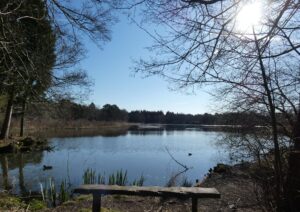
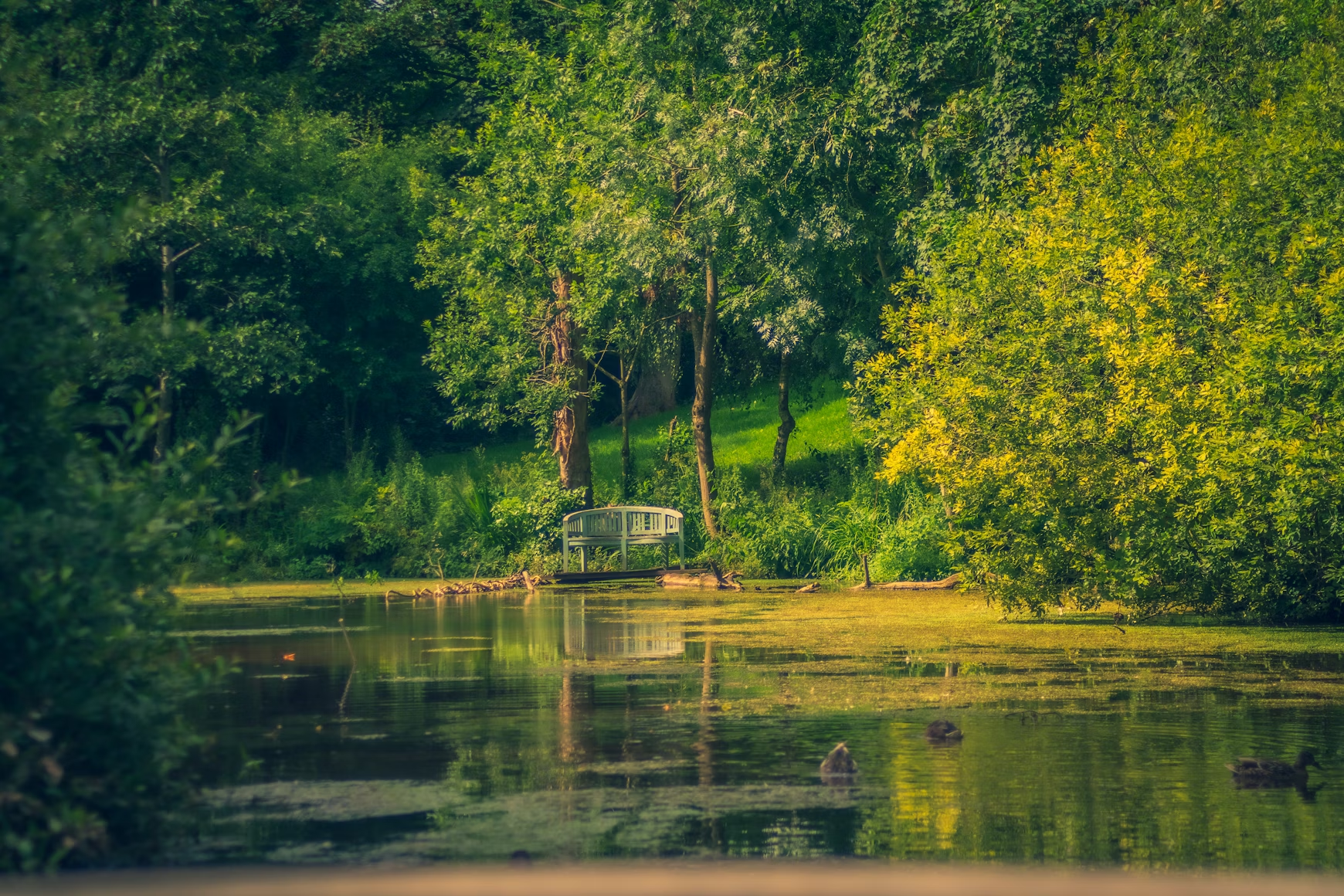
A clear sunny day, with a lake reflecting the sky. There is a bench in the foreground, and trees surrounding the edge of the lake.

If you’re doing something to help nature thrive, please share it on the Devon Nature Recovery Delivery Map to inspire others to take action.

Where to visit

Always follow the Countryside Code and keep to footpaths and sites that are managed for public access. 

Slapton Ley

Slapton Ley is the largest natural lake in south-west England. It lies behind the shingle barrier of Slapton Sands on the south Devon coast. This unique setting creates a rare combination of coastal and freshwater habitats, making it a haven for wildlife and a designated National Nature Reserve. The lake and surrounding wetlands support a rich variety of birds, including bitterns and warblers, as well as dragonflies, butterflies and aquatic plants.

Managed by the Field Studies Council, Slapton Ley offers peaceful walking trails, bird hides and educational displays that highlight its ecological importance.

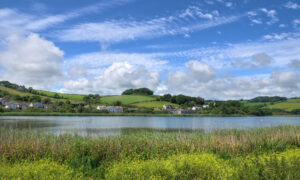
A large body of water is pictured in front of rolling green hills with houses visible near the shore and reeds just in front of the waer.

Bystock Pools

Bystock Pools is a peaceful nature reserve near Exmouth, known for its rich mix of habitats and vibrant dragonfly population. The still waters and surrounding heathland attract species such as Emperor and Golden-ringed dragonflies, making it a hotspot for enthusiasts. Managed by Devon Wildlife Trust, the site also offers scenic trails and excellent birdwatching.

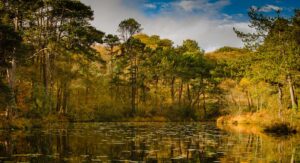
A small lake surrounded by trees reflects the various autumn colours present throughout the landscape, as well as sporting lilypads.

Other examples:

South West Lakes Trust

Ash Moor and Little Bradley Ponds (Devon Wildlife Trust reserve): rich pond habitats supporting amphibians and dragonflies. 

A very large pond with an island in the middle is pictured surrounded by shrubs, gorse and winter trees.

For information on these and other sites that are open to the public please see the Explore Devon website.  

4. Find out more

  • Stover Lake, Ian Tomlinson
  • Bystock Pools, Richard White
  • Little Bradley Ponds Nature Reserve, Richard Slack
  • Stover Lake, Stover Country Park
  • Stover Lake, Stover Country Park
  • Lower Ley, Baz Richardson
  • Bystock Pools, Richard White
  • Little Bradley Ponds Nature Reserve, Richard Slack

Draft