What wildlife-rich looks like:
A range of healthy native trees of all ages across Devon. Lots of dead and decaying wood and a wealth of wildlife including invertebrates, mammals (including bats), birds, ferns, lichens, mosses and fungi.
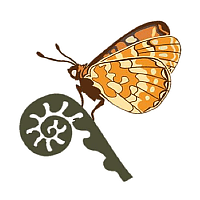

Trees outside woodland make up one third of Devon’s total tree cover.
They provide opportunities for us all to connect with nature on a daily basis.
AgroforestryA way to manage land that combines trees and hedges with agriculture to provide environmental, economic and social benefits. is an important part of productive and profitable farming businesses.
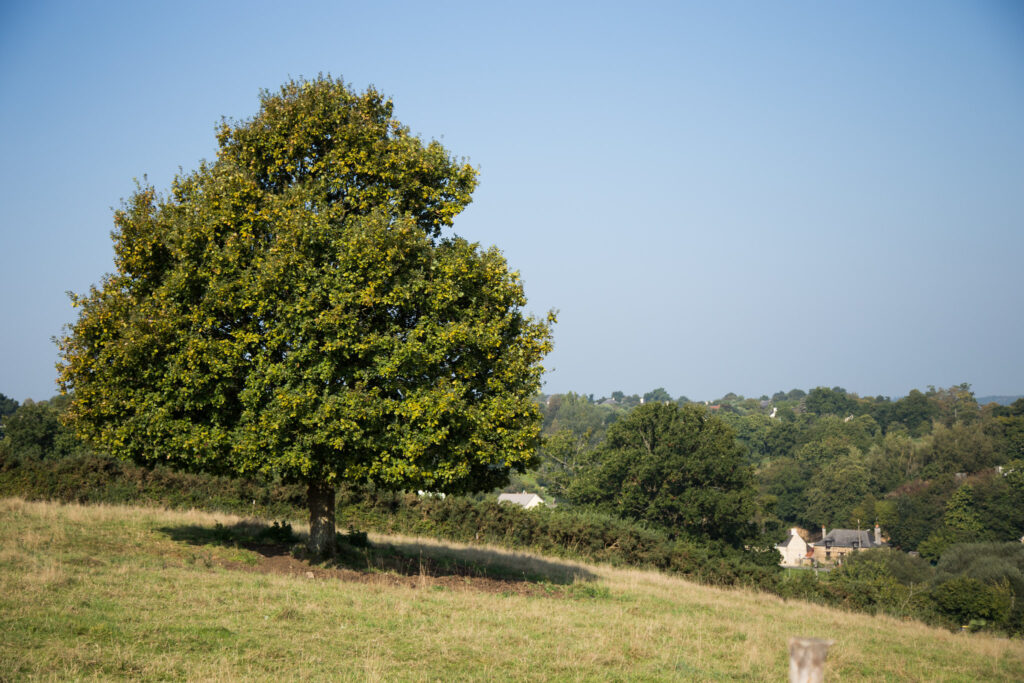
Tree outside of woodland, Benjamin Gaillard
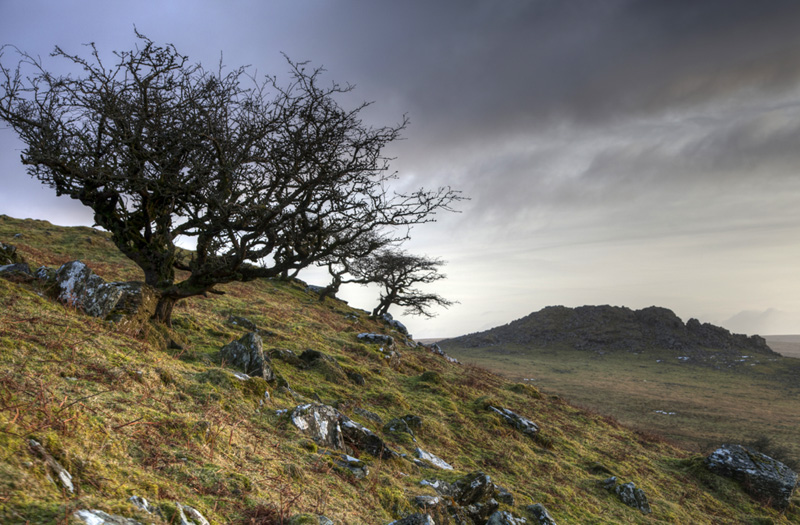
Tree on Peek Hill on Dartmoor, John Durston
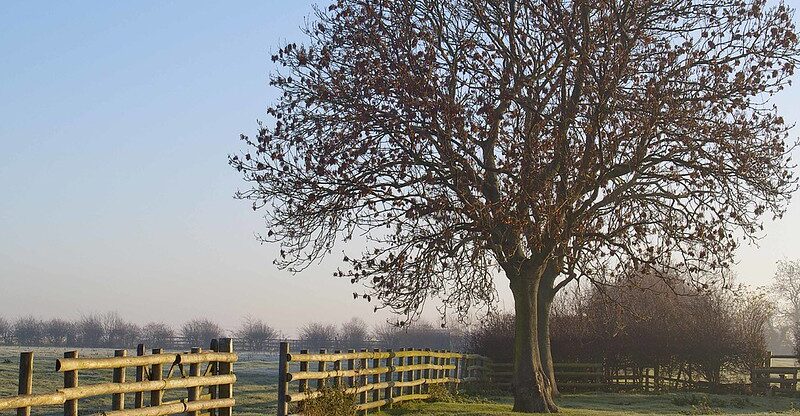
Tree outside of woodland, Michael Rozycki
A range of healthy native trees of all ages across Devon. Lots of dead and decaying wood and a wealth of wildlife including invertebrates, mammals (including bats), birds, ferns, lichens, mosses and fungi.
Plants: Devon Whitebeams, Plymouth Pear
See Ancient trees, veteran trees and deadwood for Devon Special SpeciesDevon Species of Conservation Concern which have been 'shortlisted' as needing particular action or attention. that need the holes, cracks and deadwood in these trees.
UK priority habitat: No
Statutory irreplaceable habitatIrreplaceable habitat, if destroyed, is very difficult (or takes a significant time) to restore, recreate or replace because of its age, uniqueness, species diversity or rarity.: Ancient and veteran trees
Wider benefits: Carbon capture, flood control, water quality, air quality, shade and urban cooling, health and wellbeing.
Not all trees grow in woodlands. Individual trees, lines of trees in hedges and small copses are scattered across Devon’s rural and urban landscapes. These trees outside woodland provide important wildlife habitat (shelter, nesting sites and food) for lots of invertebrates, birds, bats, lichens, mosses and fungi. They also provide stepping stones and corridors for the movement of wildlife across our landscapes, such as flight lines for bats to follow.
Forest Research calls these trees and copses Trees Outside Woodlands. Their mapping shows that in Devon they cover nearly 40,000 hectares, making up almost one third of the county’s total tree cover. The lowest cover is in the uplands of Dartmoor and Exmoor, while some of the highest canopy cover is in Plymouth. The Trees Outside Woodlands map is on the LNRS Viewer under Other useful layers> Woody habitats.
In the countryside, trees outside woodland include a wide range of native species. They also include non-native species such as Sycamore, Horse Chestnut and Sweet Chestnut and in Devon’s villages, towns and cities native trees grow alongside a wide range of non-native exotic and ornamental species. For example, there are over 54 recorded tree species in Plymouth.
Trees outside woodland also have huge social and economic benefits. In towns and villages they provide shade, absorb pollutants and reduce noise. In addition trees enhance the places where we live and work by providing a sense of tranquility and daily contact with nature. They also provide significant benefits on farms, and agroforestry, the practice of integrating trees into agricultural landscapes, is growing in popularity.
Trees capture and store carbon, produce oxygen, reduce pollution, reduce flooding, improve our soils, support wildlife and much more. They are essential to life across Devon.
The LNRS has separate pages for Ancient trees, veteran trees and deadwood, Traditional orchards, Wood pasture and parkland and Hedge corridors.
Given the huge value of trees, momentum is building nationally and across Devon to increase tree cover, including trees outside woodland. Although this is largely driven by climate change, there is growing awareness and appreciation of the many other benefits trees provide. Community groups, local authorities and other organisations across Devon are actively looking for opportunities to increase tree cover and ensure that trees that do need to be felled are replaced. This interest provides a huge opportunity to plant more trees. However it’s important to ensure that new tree planting complements and supports other existing wildlife-rich habitats and species. See Where to focus action below for more information.
There are significant opportunities to improve how trees (and other wildlife habitats) are retained, protected and established through the design and construction of new developments and infrastructure projects. This must be done to make the most of trees’ many benefits, such as reducing noise and air pollution, flood control, providing shade and contact with nature.
There are proven financial and environmental benefits from having more trees on farms. In fields and hedges they help to stabilise soil, retain water and provide shade and shelter. When they’re planted in more structured patterns on grazed land (known as silvopastureA system that combines trees with grazing land.) or arable land (known as silvoarable) fruit and timber trees can be an integral part of a productive farming, bringing financial gain while supporting nature recovery.
In urban areas many of the largest trees date back to the Victorian era, when space for large species such as plane, chestnut and oak was easier to find. New trees must be established to ensure the continuity and resilience of this tree cover.
The Woodland Trust, in partnership with American Forests and the Centre for Sustainable Healthcare, have mapped urban areas which have significantly low tree numbers (considered to have low tree equity for both wildlife and people) and there are opportunities to increase the number of trees in these areas. See Find out more below for more information.
Many trees outside woodlands, especially in towns and villages, are managed to some extent, for example to maintain safety and visibility or reduce nuisance, damage and subsidence. Done well, management can enhance the health, longevity and appearance of trees and ensure the continuity of tree populations. However, poor management can make safety and nuisance issues worse and shorten the life of the tree. Widespread adoption of best practice tree management will support nature recovery and be cost effective.
It’s vital that tree management is carried out at the right time of year, both for the health of the tree and to minimise impacts on wildlife (including meeting legislative requirements). For example, nesting birds and roosting bats should not be disturbed.
Native trees and associated wildlife have evolved together and retaining, replacing and increasing native trees must be a priority. However, there are opportunities to grow a wide range of non-native and ornamental species that support wildlife and are better able to cope with changing conditions as a result of climate change. In urban areas a wide range of tree species can lower temperatures, control pollution and reduce water flow. In farmed landscapes tree species can be chosen for the fruit, fodderFood, such as hay or silage, for cattle and other farm animals. and shade they provide.
Funding is available from DEFRA, the Forestry Commission and organisations such as the Woodland Trust to support planting trees outside woodland. Local partnerships such as Plymouth and South Devon Community Forest and North Devon Biosphere are helping to facilitate the establishment of trees.
Better (wildlife-rich) and more trees outside woodland in rural and urban areas across the county, benefiting Devon Special Species and achieving wider benefits such as carbon capture, shade and urban cooling, water resilience and health and wellbeing.
See Find out more below for links to relevant national and local targets, detailed guidance and sources of funding and advice.
More detailed actions for Devon Special Species and Wider benefits are set out on other LNRS pages. Follow the links below:
Wildlife will benefit from these actions being implemented across Devon. No High Opportunity Areas have been mapped specifically for trees outside woodlands.
In urban areas actions can be targeted to areas of lower tree equity. See Tree Equity Score UK.
Advice should be obtained before any tree planting or natural regeneration takes place in the following High Opportunity Areas and Species Opportunity Areas to ensure that it complements and supports existing wildlife:
Important: Always check that actions will not conflict with statutory requirements (for example, statutory wildlife sites such as SSSIs or scheduled monuments) or harm existing wildlife habitats, the historic environment or landscapes. See the Environmental sensitivities page for more information.
In north Devon, Innovative Farmers has set up a Silvopasture Network trial across seven farms. The trial, supported by FWAG, Rothamsted Research Centre and the Woodland Trust, is looking at how tree planting and farming can be integrated to mutual benefit.
If you’re doing something to help nature thrive, please share it on the Devon Nature Recovery Delivery map to inspire others to take action.
Always follow the Countryside Code and keep to footpaths and sites that are managed for public access.
Trees outside woodland are everywhere – just look around!
Forest Research has just published a national map and report for Trees Outside Woodlands
Find out more about the Woodland Trust’s work on tree equity.
Information on agroforestry funding options are available from Forestry Commission Guidance
The Woodland Trust has information on agroforestry and funding.
The Soil Association Handbook is an excellent background to agroforestry.
Agroforestry has significant government interest and funding. Start at Defra Agroforestry Guidance.
Agroforestry Plans can be supported through the Agroforestry Plan Support Payment and the Agroforestry Plan Templates. Payments include Tree Payments , Fruit Tree Payments and Species diversity payment.
Draft