


We all rely on nature
A healthy natural environment supports a high quality of life for everyone across Devon and helps to achieve priorities such as clean water, reduced flooding and health and wellbeing.
Natural capital refers to assets (such as water, minerals, soils, woodlands and wildlife) and the essential benefits these assets provide (such as food, timber, pollination and climate control). These benefits are often referred to as ecosystem services. Natural capital assets underpin human life. In 2020, Devon, Somerset and Plymouth Local Nature Partnerships worked with the Heart of the South West Local Enterprise Partnership to jointly publish Investing in Natural Capital for the Heart of the South West, explaining what natural capital is, why it’s critical to the social and economic wellbeing of the region and including case studies.
In 2012, the Devon Local Nature Partnership was set up and commissioned a report on Devon’s Green Economy. While some of the facts in this report are now out of date, it still provides a useful overview.
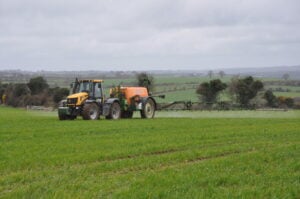
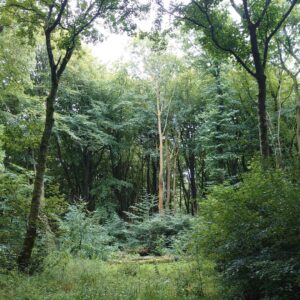
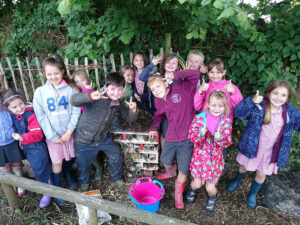
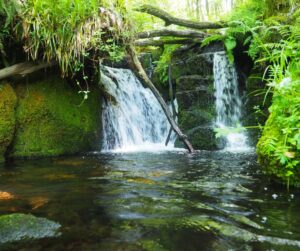
This first LNRS focuses on five key areas where the restoration of wildlife habitats has wider benefits to society:
Other useful links:
- Enabling a Natural Capital Approach (ENCA) is government guidance to help policy and decision makers consider a natural capital approach. It replaces the UK National Ecosystem Assessment (UK NEA), which was the first analysis of the UK’s natural environment in terms of the benefits it provides to society and our continuing economic prosperity.
- The Economics of Ecosystems and Biodiversity (TEEB) has lots of information on how to recognise the wide range of benefits provided by ecosystems and biodiversity, including in economic terms, and how to use these values in decision-making.
- Natural England have a number of publications regarding the value of Ecosystem Services.