
All Local Nature Recovery Strategies must produce:
- A long list of species that are threatened or identified as needing action. In the Devon LNRS these are called Devon Species of Conservation Concern (DSoCC). See the Devon Species of Conservation Concern spreadsheet.
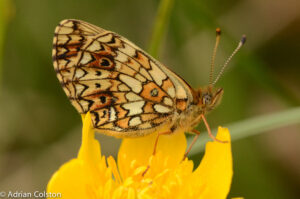
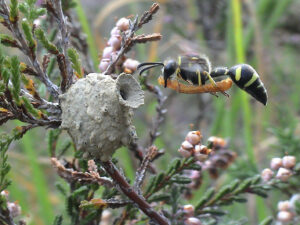
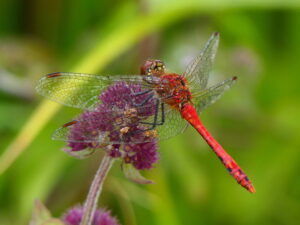
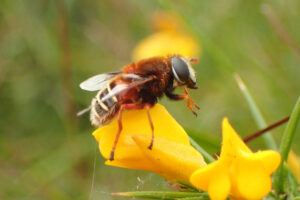
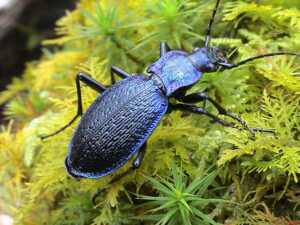
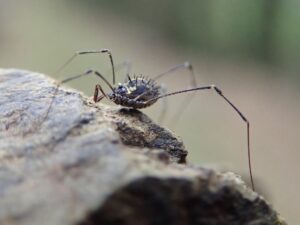
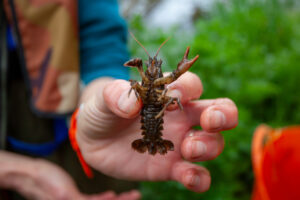
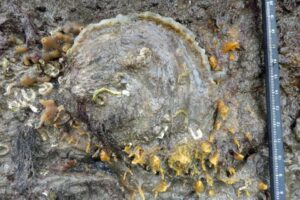
- A short list of species from the long list that are in need of particular action or attention. In the Devon LNRS these are called Devon Special Species. A few Devon Special Groups have been identified where there is a group of rare species for which Devon is a stronghold. Some of the groups may have one or more Devon Special Species within them. For example, Bog Hoverfly is part of the valley mire fly group. Some of these groups don’t have any individual Devon Special Species e.g. Dartmoor granite lichens. See the Overview of Devon Special Species (short list).
For information on how these lists were produced see the Developing the Devon LNRS page in the appendices.
Species Opportunity Areas have been mapped on the viewer to show where actions need to be targeted for some Devon Special Species, particularly for those that are more mobile and need large areas of connected habitats. However, most Devon Special Species and groups aren’t mapped. For an overview of where action is most needed see the Geographical Species Overview page.
The pages in this section describe what we need to do for species, and in particular for Devon Special Species. See links below.